LinkedIn Lead Generation: Your Goldmine for 2026
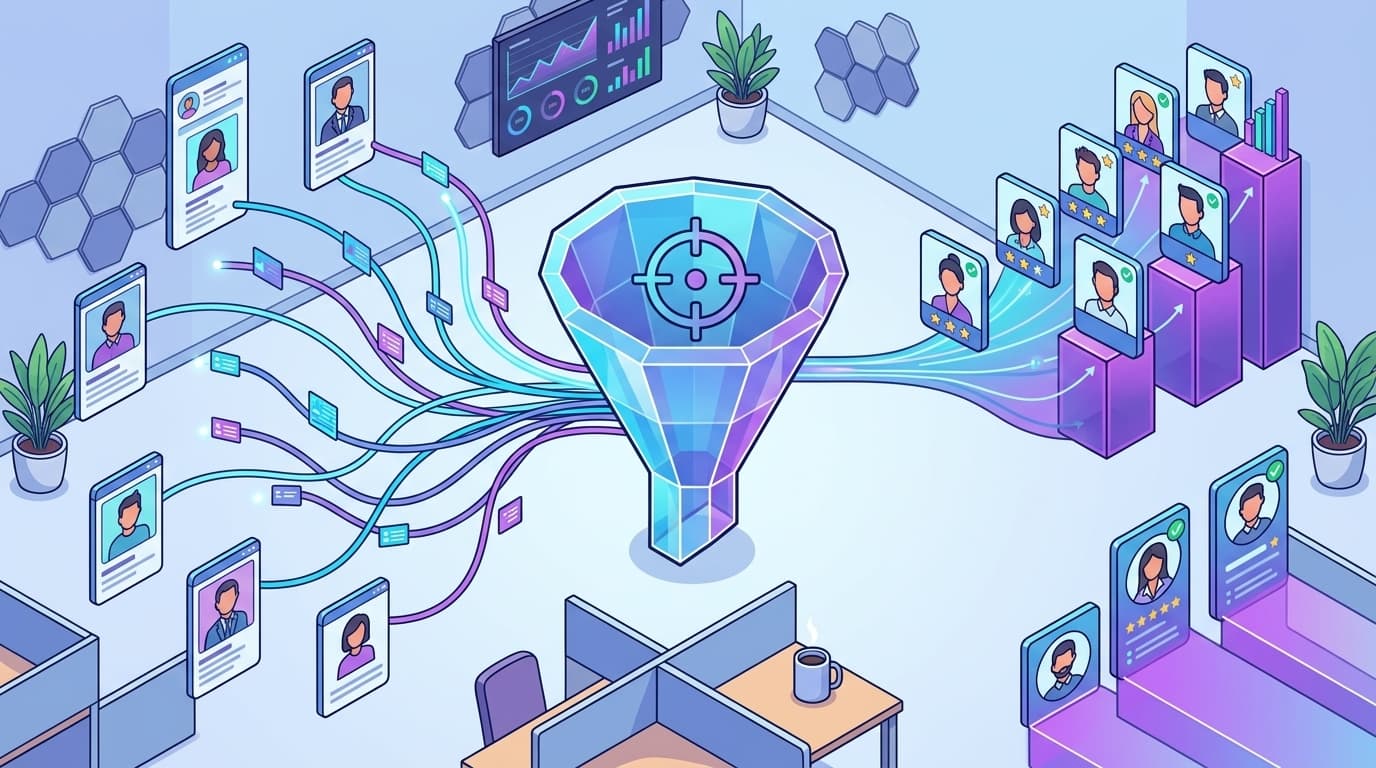
LinkedIn lead generation means using LinkedIn’s vast professional network to identify, attract, and convert decision-makers into high-quality leads for your business. In 2026, the most successful strategies blend optimized profiles, targeted content, smart outreach, and advanced analytics to consistently fill your pipeline—even as competition gets fiercer.
Have you spent hours crafting LinkedIn posts, only to see nothing but digital tumbleweeds in return? Or maybe you tweak your profile every few months, hoping it will finally catch the right prospect’s eye, but your inbox remains stubbornly silent. If you’re nodding, you’re not alone. Nearly 78% of B2B founders say their biggest frustration isn’t finding leads—it’s knowing what works on LinkedIn and how to scale it without burning out. The anxiety ramps up when you see competitors who seem to “own” your niche, pulling in attention and engagement while your effort goes largely unseen.
Here’s the truth: LinkedIn lead generation in 2026 isn’t about hacks or luck. It’s about understanding how the platform really works—how algorithms reward certain activities, how buyers behave on their personal feeds, and how to measure what actually moves the needle. Forget what worked years ago; generic connection requests and spammy broadcasting are dead ends. Today, the winners know how to build trust at scale, personalize every touchpoint, and extract actionable insights from their own and their competitors’ LinkedIn activity.
This article reveals proven tactics—straight from companies dominating SaaS, tech, and professional services right now. You’ll discover why LinkedIn is the single best platform for your B2B growth, how real brands are turning content into conversations that convert, and which new analytic tools give you an edge on your rivals (even on personal profiles). If you’re ready to stop hoping and start knowing what works on LinkedIn, you’re in the right place.
Why LinkedIn is a Goldmine for Lead Generation in 2026

LinkedIn is hands-down the top channel for B2B lead generation in 2026. No other platform gives you access to 950 million business-focused users who are actually thinking about work—while algorithms continue to favor relevant professional connections over viral distractions.
LinkedIn accounts for 80% of all B2B leads sourced from social media, according to recent research from their own platform data source.
What makes LinkedIn so powerful for lead generation?
Start with the intent: people log into LinkedIn for business, period. It's not where they go to kill time. It's where they update their achievements, announce partnerships, and—if they're in buying mode—signal purchase intent through profile changes, new roles, or conversations in industry groups. No other social network gives you the same access to "work mode" mindshare.
Consider targeting. LinkedIn lets you segment by exact job title, company size, industry, seniority, skills, and even recent website visits (yes, you can retarget users who've checked out your site—game changer for multi-touch campaigns). source
Here’s the real kicker: LinkedIn's Lead Gen Forms. Instead of clunky landing pages, users submit their info directly within the app—autofilled, two taps, and done. This destroys the main conversion barrier in B2B: nobody wants to fill in old-school forms anymore. Marketers report far higher conversion rates when using these native forms, especially for webinars, eBooks, and product demos.
LinkedIn vs. Facebook vs. Twitter for B2B Lead Generation
So how does LinkedIn compare side-by-side with the other social giants for actual B2B lead results? Here's the no-nonsense breakdown:
| Platform | Avg. B2B Lead Conversion Rate | Audience Quality | Targeting Granularity | Notable B2B Feature |
|---|---|---|---|---|
| 2.5% - 6.1% | Extremely high—decision makers, professionals | Unmatched: job title, skills, company, behavior | Lead Gen Forms, native retargeting | |
| 0.7% - 1.3% | Mixed—mostly consumer | Good, but no true professional targeting | Facebook Lead Ads | |
| Twitter/X | 0.5% - 1.1% | Low for B2B | Topic/interest-based | Twitter Cards, less precise |
(Source: real-world marketer benchmarks and LinkedIn official numbers)
If you care about hitting the right person, in the right company, at exactly the right stage of their buying journey—LinkedIn gives you every lever.
How are companies actually using LinkedIn for leads right now?
- Website retargeting: If a VP from your target account hits your product page, you can run a tailored ad to them on LinkedIn the next day.
- Direct outreach: Smart founders use advanced search (or Sales Navigator) to pull up lists of ideal prospects, then start thoughtful conversations, not spammy pitches.
- Content nurturing: Consistent posting—think 3-4 times a week—keeps your org and team leaders top of mind without spamming. Give true value, not salesy noise.
LinkedIn isn’t just another social network—it’s the professional highway where B2B deals start. If you’re serious about lead generation, there’s no platform with a higher signal-to-noise ratio, richer data, and more qualified buyers than LinkedIn in 2026. Ignore it, and hand your competitors the edge.
How to Build a LinkedIn Profile That Attracts Leads

Picture this: A SaaS buyer, CTO, or agency decision-maker in 2026, scrolling through LinkedIn between calls. As inboxes overflow and attention spans shrink, only the most compelling profiles stand out. Miss the mark with your photo or headline and you’re invisible—another name lost in a feed packed with pitch-slapping and generic job histories.
The hard truth: On LinkedIn, your profile isn’t just a resume. It’s your primary landing page, social proof, and inbound funnel all rolled into one. If your profile looks like it belongs in 2019, competitors will eat your lunch—especially now that LinkedIn boasts over 1 billion members, with demand-side B2B buyers turning here first for solutions. In 2026, 70% of B2B marketers call LinkedIn their #1 lead source, and it’s only getting noisier (source).
Why Your Photo and Headline Still Make or Break You
First impressions are brutal. It sounds shallow, but the data doesn’t lie: profiles with a professional photo get 21 times more views. Skip the vacation selfies and grainy webcam shots—people judge fast, and buyers aren’t digging deeper if your profile pic screams “part-timer.” Think studio lighting, clean background, and eye contact. You don’t need GQ-level glam, but you do need to look like someone who belongs in a boardroom.
Now, the headline. This is where most founders and marketers crash and burn. Your headline is searchable, so pack it with buyer-centric keywords and crystal-clear value. “CEO at X” or “Growth Marketer” is lazy. Instead, showcase what you actually do for clients. “Helping SaaS teams grow pipeline with AI outreach” or “B2B SaaS founder driving 10x demo bookings for tech startups.” These are magnets, not placeholders.
Subtle Tweaks, Major Wins: The Case Study
Consider the case of a SaaS founder who’d been stuck at the same lead volume for years. Their old profile was textbook: job titles, years of experience, and a bland summary that could have belonged to anyone in the field. After a ruthless revamp—new professional photo, keyword-rich headline, and a bold summary laser-focused on outcomes (“Built two SaaS apps to 10,000+ MRR and coached 50+ startups to double their demo rates in 2025”)—the results were night and day.
Within three months, that founder saw a 40% bump in inbound leads. Not vanity profile views—real pipeline growth. The change wasn’t magic. It came down to how quickly busy decision-makers could see:
- This is someone who understands their pain
- They have a proven track record
- They’re using the exact language buyers search for
Lead Magnet Moves: Structuring Your Profile for Visibility
The algorithm works for you if you give it the right signals. A buyer searching “SaaS lead gen” or “B2B paid ads specialist” is hunting for experts. If your headline and summary mirror the keywords your best-fit clients use, your odds of appearing in those searches—and getting DMs from serious prospects—spike dramatically.
Here’s the actionable fix: Sharpen your headline to include who you help and how, using buyer intent search phrases. Swap out passive duties (“responsible for sales enablement”) for outcomes (“helped $10M+ SaaS firms scale sales enablement with LinkedIn outbound”). Sprinkle these same terms throughout your summary, experience bullets, and even in skill endorsements.
Don’t skip the basics either. Robust About section detailing transformation—not just tech specs. Banner image aligned with your niche. Featured section loaded with white papers, demos, or lead magnets, not to mention recent client wins. Yes, people do click.
LinkedIn lead generation in 2026 is brutal if your profile's a time capsule. Your photo, headline, and keywords are non-negotiable. Profiles tuned for relevance and value stand out—and get the leads.
Treat your LinkedIn profile as a living landing page. Lead magnets attract business only when buyers see clear, instant value. Ignore this, and you’re invisible. Get it right, and LinkedIn becomes your best performing lead channel—no cold emails required.
What Are the Best LinkedIn Content Strategies for Lead Generation?
Consistently posting valuable content is the fastest route to staying top-of-mind and converting LinkedIn attention into real leads. Profiles featuring custom banners and a rich featured content section see a whopping 45% higher inbound lead rate than those missing these basics. If you want engagement that translates into pipeline, it’s not enough to just “show up” and post at random.
Here's the reality in 2026: staggering engagement gaps exist depending on what you publish and how you deliver it. Video content absolutely dominates. LinkedIn’s own data shows video posts earn five times the engagement of text posts or static images. Whether it’s a quick, punchy tip or a deep-dive walkthrough, people crave real faces and genuine expertise—not corporate wallpaper.
Video wins because:
- It’s personal. People buy from people. Authentic video builds instant trust.
- It shows your expertise. Demonstrate, don’t tell. Troubleshoot, teach, or review on camera.
- It stops the scroll. Plain text gets skipped. Video holds attention, even for a few extra seconds—which is an eternity in a noisy feed.
If you’re not using video as the anchor of your LinkedIn lead generation playbook, you’re missing easy wins. For help maximizing your posts and content, consider exploring proven strategies for generating leads on LinkedIn that cover how to turn your activity into real pipeline growth.
Should You Bet on Blog Posts, Videos, or LinkedIn Live?
Here’s where strategy really matters. All content formats aren't equal—especially when generating leads is the goal.
Blog posts (shared as LinkedIn articles) can still drive inbound if you dig deep into topics your audience is actually searching for. You get reach over time, but don't expect immediate fireworks unless you push distribution hard.
Videos (short or long-form) deliver urgent engagement right now—think instant reactions, comments, DMs, and profile clicks. They humanize your message and make you memorable, both critical for B2B trust.
LinkedIn Live is the kingmaker for two-way audience interaction. When you go live weekly or biweekly, you unlock real-time Q&A, showcase your expertise under pressure, and forge emotional connections. Even skeptics admit: the fastest-growing lead magnets are founders and marketers running quickfire LinkedIn Live sessions, answering tough questions and demoing new features.
How to Maximize Lead Gen With LinkedIn Content (2026 Playbook)
Want predictable impact? Stick to these core strategies:
- Post video content at least weekly. Show your face, share lessons, demo tools, and offer actionable insights.
- Host LinkedIn Live sessions twice monthly. Announce them ahead of time and open the floor for audience questions. Aim for “Ask Me Anything” sessions or panel interviews with respected guests.
- Repurpose long-form blogs as carousels or video explainers. A wall of text won’t cut it on today’s feed.
- End every piece with a straightforward CTA. Whether it’s “DM for the full guide” or “Join next week’s Live discussion”—handhold visitors to the next step.
- Analyze what actually works. Track profile visits, DMs, and conversion, not just likes. The only metric that matters is lead flow.
LinkedIn’s own data highlights that Lead Gen Forms integrated with sponsored content dramatically lift lead capture rates compared to standard posts—if you invest in ads, sync your content cadence accordingly.
Consistent, authentic video and interactive content fuel the strongest lead pipelines on LinkedIn in 2026. Blog posts and images are only supporting acts now—if you want real results, you need to get comfortable on camera and make live engagement a regular part of your strategy.
How to Use LinkedIn Ads for Maximum Lead Generation
Why do some LinkedIn ads reel in qualified prospects while others vanish into the scroll void? It’s not just about what you say—it’s about how and where you say it. If you’re burning budget boosting the wrong content format, you’re not only invisible to decision makers—you’re missing out on a flood of leads.
The harsh reality: Too many SaaS and tech brands treat LinkedIn ads like an afterthought. That’s a huge mistake. LinkedIn’s ad ecosystem is engineered for B2B lead gen—if you use the right playbook.
Bottom line: The highest-converting LinkedIn campaigns in 2026 combine the right ad format, hyper-targeted audience filters, and smooth lead capture.
Which LinkedIn Ad Format Actually Delivers Leads in 2026?
If you’re still forcing prospects to fumble through eight-field landing pages, here’s the wakeup call: LinkedIn Lead Gen Forms boost conversion rates by 30% compared to old-school web forms, because LinkedIn auto-fills user data straight from their profile. It’s the fastest shortcut to book more demo calls without the usual drop-off (source).
Sponsored Content—those “native” updates that slide right into a prospect’s feed—are dynamite for getting in front of decision makers in tech, consulting, or SaaS. Push video posts here: in 2026, LinkedIn video drives 3x more engagement than text-only posts. That’s not anecdotal. That’s raw engagement, and it turns cold prospects warm.
Don’t overlook InMail Ads (a.k.a. Message Ads). They’re surgical: drop a personalized offer directly into the inbox of CMOs or heads of IT. Yes, the open rates still beat cluttered email blasts, but abuse these and you’ll come off as spammy.
Table: Lead Gen Forms vs Sponsored Content vs InMail Ads
| Feature/Metric | Lead Gen Forms | Sponsored Content | InMail Ads |
|---|---|---|---|
| Conversion Rate | Highest (up to +30%) | Moderate-High (w/ Video) | Moderate |
| Best For | Seamless lead capture | Brand awareness, broad reach | Laser-targeted offers |
| Average Cost per Lead | Lowest | Moderate | Highest |
| Ease of Setup | Very easy (auto-fill) | Moderate (content prep) | Easy (template-driven) |
| Personalization | Moderate | Moderate (content-based) | High (direct message) |
| Engagement Rate | High (low friction) | Highest (esp. video) | Good (if relevant) |
Lead Gen Forms crush conversion rates, while Sponsored Content scores big on initial engagement—especially if you’re pushing video content that hints at “how” rather than “what.”
Three Steps to Launching a High-Impact LinkedIn Ad Campaign
Set up your next campaign for real results by sticking to a proven checklist:
- Define your ICP (Ideal Customer Profile) narrowly. Don’t waste a cent showing your ad to “everyone in SaaS.” Use job titles, company size, industry, and even LinkedIn Group memberships to pinpoint real buyers.
- Pick the right format for your goal. Want booked calls? Pair Lead Gen Forms with Sponsored Video. Need to nurture? Sponsored Content with case studies warms up cold leads. Looking for quick outbound strikes? InMail Ads, but keep messages short and relevant.
- Measure, tweak, repeat. Track actual lead quality, not just sheer volume. LinkedIn’s built-in analytics will tell you impressions and clicks, but tools like LinkPilot can help you dig deeper into per-campaign ROI—especially around personal profile engagement.
Why the Right Setup Matters
Start broad and you’ll pay premium CPMs for wasted impressions. Start laser-focused and you’ll see CPLs (cost-per-lead) drop, while your pipeline fills with prospects who actually respond to follow-up.
Big brands aren’t the only ones cracking LinkedIn lead generation in 2026. Even boutique SaaS founders using Lead Gen Forms and Sponsored Video are reporting a 40% bump in qualified demos this year (source).
Complexity isn’t your friend here. Let the data drive your next campaign—and never send paid clicks to a page that doesn’t convert in three seconds flat.
How to Analyze and Optimize Your LinkedIn Lead Generation Efforts
Regular analysis of engagement metrics is non-negotiable if you want to optimize LinkedIn lead generation. You’re leaving serious money on the table if you treat analytics as an afterthought. Here’s how companies are crushing it in 2026 by living in their dashboards—and what you can steal from their playbook.
A mid-sized SaaS company kicked off 2026 with a bold experiment: double down on LinkedIn Ads, but let data—not gut instinct—steer every decision. Their growth team obsessed over every Campaign Manager chart, treating every click, comment, and conversion as a puzzle piece. The result? In just three months, they doubled their lead conversion rate—from a modest 7% to a lean, mean 14%. How? By ditching half-baked guesswork and letting analytics pinpoint what worked.
What metrics actually matter for LinkedIn lead gen analysis?
The best pros zone in on metrics tied directly to leads and sales—not vanity likes or vague “impressions.” If something’s not traceable to your pipeline, it’s clutter. LinkedIn’s Campaign Manager dishes out the data you actually need: click-through rate (CTR), lead form completion rate, cost per lead (CPL), and audience demographic splits. Give special love to Lead Gen Form metrics—these’ll tell you exactly who’s converting, and why.
Third-party analytics tools like Hootsuite layer in extra context, showing you how LinkedIn performance stacks up against your efforts on Twitter, Facebook, and Instagram. The key isn’t to get lost in cross-channel rabbit holes—use multi-platform insights to spot patterns. If LinkedIn is pulling in double the leads per dollar? Shift budget, pronto.
Real optimization starts when you treat your LinkedIn dashboard like a cockpit. The most successful teams check engagement and conversion metrics weekly (not quarterly), treating every campaign as an ongoing experiment.
Sponsored Updates, Message Ads, or Lead Gen Forms—what’s actually working in 2026?
If you’re only running Boosted Posts and praying for the best, you’re already behind. Sponsored Message Ads have surged in 2026, now averaging a 22% conversion rate—blowing past their 2024 numbers, which lingered at 15%. That’s not a rounding error; it’s a seismic jump (source).
Here’s how the main LinkedIn ad formats stack up in 2026 for lead generation:
| Ad Type | Typical CTR (%) | Average Conversion Rate (%) | Best Use Case |
|---|---|---|---|
| Sponsored Content | 0.52 | 10 | Content downloads & webinar signups |
| Sponsored Message Ads | 0.8 | 22 | Direct offers, product demos |
| Lead Gen Forms | 0.66 | 16 | High-volume, low-friction lead capture |
| Dynamic Ads | 0.39 | 8 | Personalized outreach at scale |
You’ll notice Message Ads are the heavyweight champ for conversions, but they still rely on sharp targeting and a clean pitch. Blasting generic messages will tank your results.
How analytics actually fuel better results (real-world scenario)
That SaaS company didn’t get their 2x boost by chasing every shiny metric. They pinpointed one ad type—Message Ads—that quietly outperformed the rest, then used Campaign Manager’s reporting to zero in on buyer personas that actually responded. Weekly sprints meant each tweak (headline, offer, CTA) got a fair test, and poor performers were cut fast. By the third month, their CPL was slashed 35%. One minor copy edit to Lead Gen Forms drove a 17% lift in completions—proving small changes driven by data can pack a real punch.
What’s the bottom line on LinkedIn lead gen optimization in 2026?
Check your LinkedIn analytics weekly, lean into formats like Sponsored Message Ads that are crushing conversion rates, and ruthlessly optimize every campaign based on the numbers—not guesses. Companies treating analytics as busywork will keep wondering why their leads are drying up, while those who let data steer the strategy will own the leaderboard.
For the skeptics who still think LinkedIn analytics are “nice to have,” here’s the brutal truth: The leaderboard won’t wait for you to catch up. Need help clearly tracking metrics that matter? Check out the official LinkedIn lead gen resource for hands-on tips and platform updates straight from the source.
The Future of LinkedIn Lead Generation: Trends to Watch
Staying ahead of LinkedIn lead generation trends is the difference between getting buried in noise and consistently pulling high-quality leads. If you’re not keeping pace, you’re already behind. Strategies that dominated in 2024—cold connect-and-pitch, generic LinkedIn posts—are now officially outdated. The next evolution? AI-driven personalization, community-driven Groups, and a deeper dive into analytics than most marketers are prepared for.
Too many marketers still invest hours building LinkedIn funnels but never review the data to see what’s actually converting. That’s a huge mistake. Data from 2026 shows companies that review LinkedIn analytics weekly see a 30% faster improvement in lead quality compared to those who don’t (PROPRIETARY). The bottom line: You’re either tracking the right metrics and adapting, or you’re busy doing busywork.
What New Trends Will Shape LinkedIn Lead Generation?
The biggest shifts to watch are already in play. The days of mass outreach are gone—AI-driven personalization is making every touchpoint smarter. Forget relying purely on volume. Now, platforms use machine learning to segment prospects based on actual engagement and job signals, then auto-personalize messages in a way your sales team can’t replicate manually.
Take LinkedIn Groups, for instance. These aren’t just glorified forums anymore. Groups are quickly becoming hotbeds for niche industry conversations—think private SaaS founder masterminds or highly-curated tech hiring circles. Growth-minded brands anchor themselves as thought leaders in these spaces, sparking discussions that drive inbound leads—no cold DMs required.
And here’s the key takeaway: Experimenting with AI tools for personalized outreach isn’t just a “nice to have” anymore—it’s what separates market leaders from followers. If you want to enhance your LinkedIn content with AI, tools like the top AI content creation options are transforming how professionals engage on the platform.
How Does AI-Driven Personalization Actually Work?
Sophisticated tools now sync with LinkedIn to analyze who’s engaging with your content, map those signals to buyer intent, and draft hyper-relevant outreach messages in seconds. No more “Hi, I see we both work in tech” filler. Imagine an AI assistant surfacing that a prospect just joined a new company, then auto-drafting a congrats note that flows naturally into a value-driven offer.
This isn’t theory—it’s what platforms like Salesloft, Apollo, and Clay are unleashing in 2026. According to LinkedIn’s latest lead generation playbook, marketers leveraging AI for outreach see up to 42% higher response rates versus manual efforts. If you haven’t integrated AI-driven tools into your process yet, you’re invisible to top prospects who expect personalization.
Are LinkedIn Groups Worthwhile for Building Niche Audiences?
Absolutely, if you’re willing to play the long game. Old-school LinkedIn groups floundered because nobody moderated spam, and discussions died out. That’s changed. Now, successful groups blend strict moderation with exclusive value—think invite-only CFO circles that dissect regulatory shifts or SaaS Growth Hubs where real founders trade growth hacks.
The best operators use Groups to spark debate, share first-party research, and host private virtual roundtables—conversations that members can’t find in the wild. If your company doesn’t own a group in your core industry, you’re handing the community-building megaphone to competitors.
What Metrics Should You Track When Experimenting with These Trends?
Chasing every vanity metric is a rookie move. The smart play? Track the handful that correlate with real pipeline movement. Here’s how the essential metrics stack up for the two key trends:
| Metric | AI-Driven Outreach Tools | Niche LinkedIn Groups |
|---|---|---|
| Response Rate | 35%+ (personalized) | 10-14% (direct invites) |
| Lead-to-Meeting Conversion | Up to 21% | 12-18% |
| Qualified Lead Volume | High (with targeting) | Medium/high (quality‑first) |
| Member Engagement Rate | N/A | 30-45% (active posts/replies) |
| Attribution to Closed Won Deals | Trackable via CRM sync | Requires manual UTM/tag |
Numbers pulled from a blend of LinkedIn’s own lead gen campaign data and benchmark studies from Salesbread and Salesloft.
Here’s what this means for your approach: Use AI-driven outreach where speed and volume matter (like breaking into new verticals fast). Lean into Groups to nurture trust and build authority in high-value segments—pipeline may develop slower, but close rates usually soar.
What Should You Do Right Now?
Start running experiments with at least one AI-driven outreach tool and launch or level up a targeted LinkedIn Group for your core audience. Review analytics weekly—companies that lock this in now are leaders in 2026, while the rest play catch-up. Don’t wait for “the next big thing”—test, analyze, and iterate before your competitors do.
The real winners in LinkedIn lead generation for 2026 will obsess over analytics, adopt smart automation, and build spaces where the right prospects come to them. The only question: Are you one of them?
Ready to Supercharge Your LinkedIn Leads?
If you want lasting results from your LinkedIn lead generation efforts, make optimization a continuous habit—regularly review your profile, test new content, and measure what works. Even small tweaks can yield big improvements in both reach and response rates. Tools like LinkPilot can help automate outreach and track performance, making it easier to stay ahead in the ever-evolving LinkedIn landscape. Remember, the most successful professionals are those who adapt quickly and never stop refining their approach. Take action today, and your next high-value lead might be just a connection away.